01 / THE CHALLENGEWhat needed to change
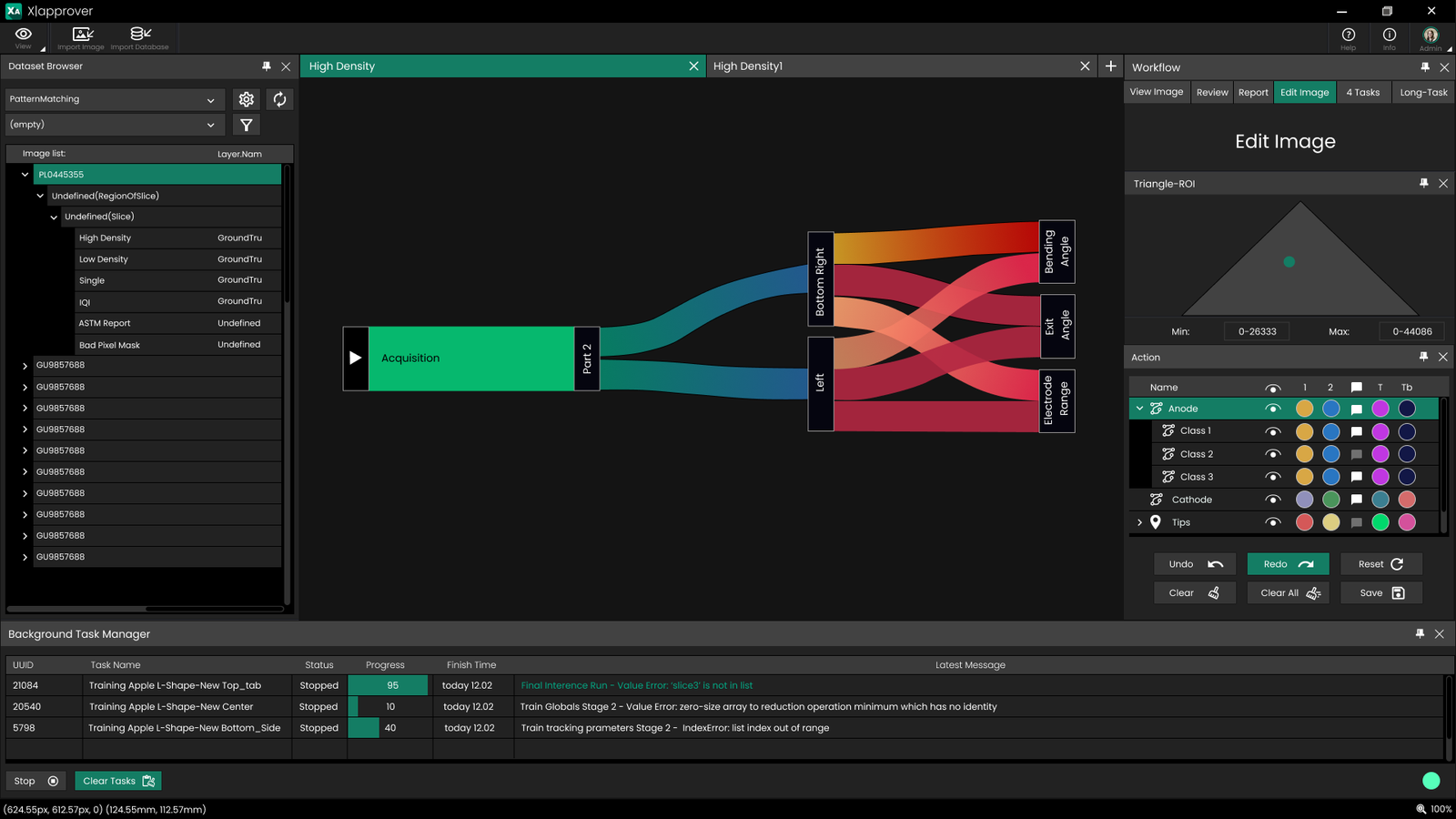
Product scope: an enterprise approval workspace for distributed teams. The scope covered surfacing risk early, making ownership and accountability clear, and guiding every participant to the next action across the full approval lifecycle.
02 / THE APPROACHHow I approached it
As the UX designer, I owned the end-to-end design of a complex, multi-platform enterprise interface for approvers and requesters across distributed teams, following a user-centred design method within Agile sprints. I began by framing an ambiguous business problem with product managers and business stakeholders, then planned and synthesised UX research (stakeholder and user interviews, workflow analysis, competitive review and benchmarking, and usability testing), turning qualitative and quantitative insights into personas, priorities and a UX roadmap tied to product and business goals. I structured the information architecture, end-to-end user flows and interaction patterns, validated them early with low-fidelity wireframes in Balsamiq, and evolved them into high-fidelity UI, interactive prototypes and scalable design-system components in Figma. Throughout, I acted as the bridge between design, product, engineering, data and business teams: running design sprints and reviews, presenting and demonstrating designs to technical and non-technical leaders, negotiating trade-offs on feasibility and scope, and supporting fellow designers through critique and mentoring.
03 / THE OUTCOMEWhat shipped
Shipped as an end-to-end product delivered sprint by sprint with engineering, from research and low-fidelity wireframes to high-fidelity Figma designs, interactive prototypes and a scalable design system, validated with users and stakeholders and aligned to the product's business goals, giving distributed teams a shared, transparent view of risk, ownership and next actions.
Risk surfaced early in the approval process
Clear ownership and accountability at every stage
Every participant guided to their next action across the full approval lifecycle
Looking back
Translating complex engineering into clear, usable UX design.